conceptual works
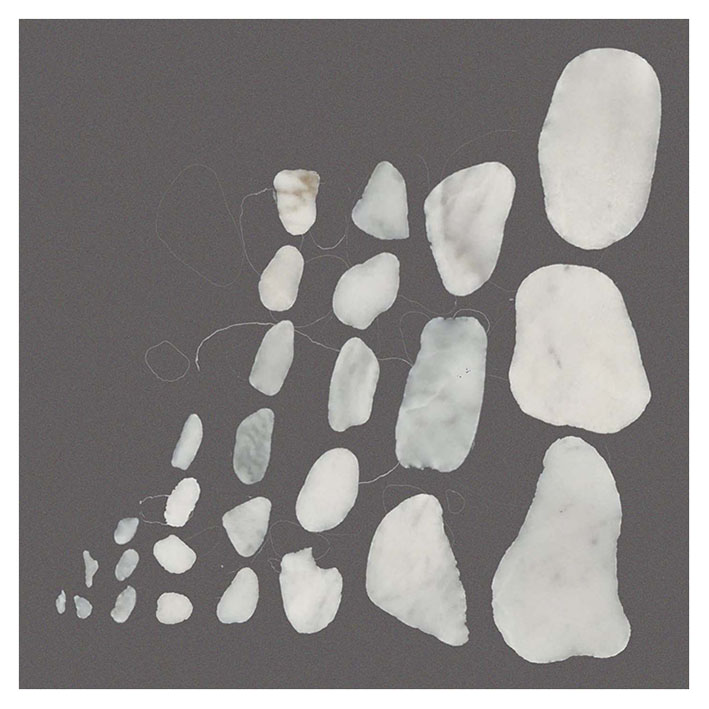
The normal distribution is a term from statistics. In the 18th century a lawful distribution in the variability of e.g. seeds or fruits was discovered: the medium-sized ones are always the most represented.I discover the lawfulness in flies, which rest in the shade. Collection theory is another concept to arrive at a composition. For example, I investigate all possible places, which surfaces can occupy in relation to each other. Sometimes formulas are applied, such as “skip every third place”.
realism
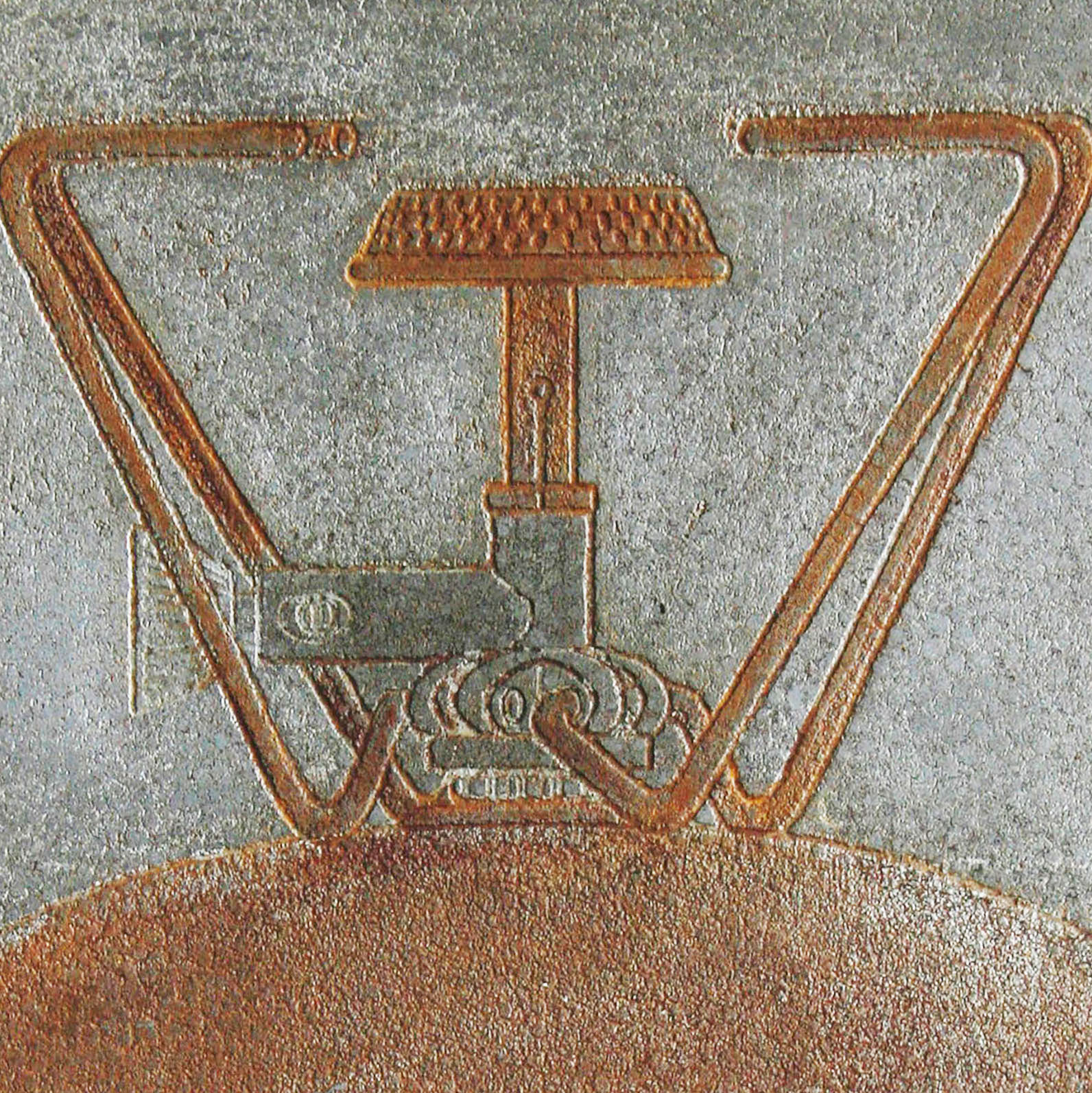
A series of etchings in which the objects are depicted with great precision. The images have been etched into steel but not printed: the steel plate is the final—and unique—work. It has a definitive quality: it is fixed and cannot be altered.
self-portraits
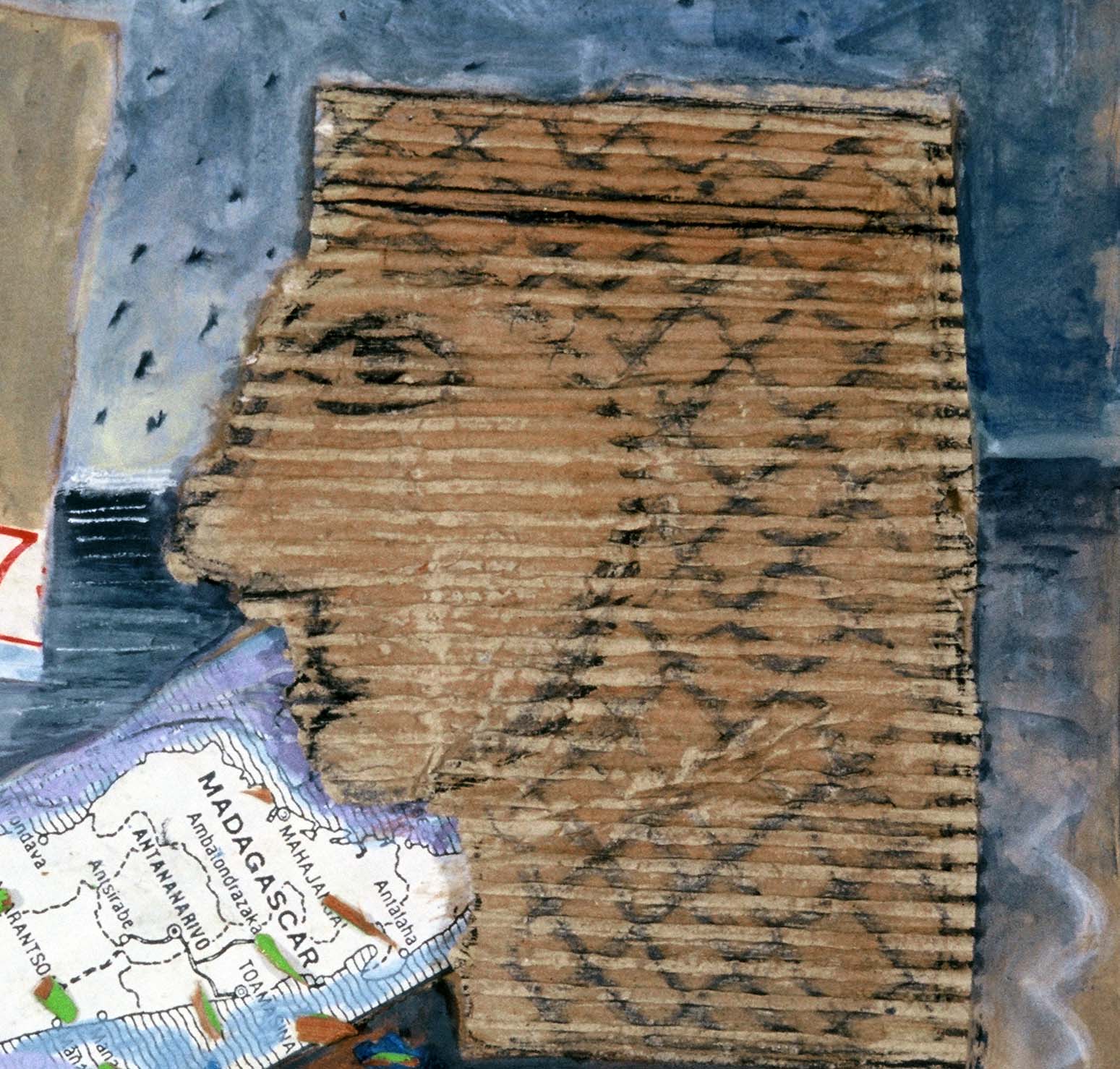
The self-portraits are not made in front of a physical mirror, but they are portraits seen in the various “inner mirrors.” Personal characteristics, experiences and dreams are incorporated into them. The portraits were created over a long period of time and every now and then a new one is added.
about paint
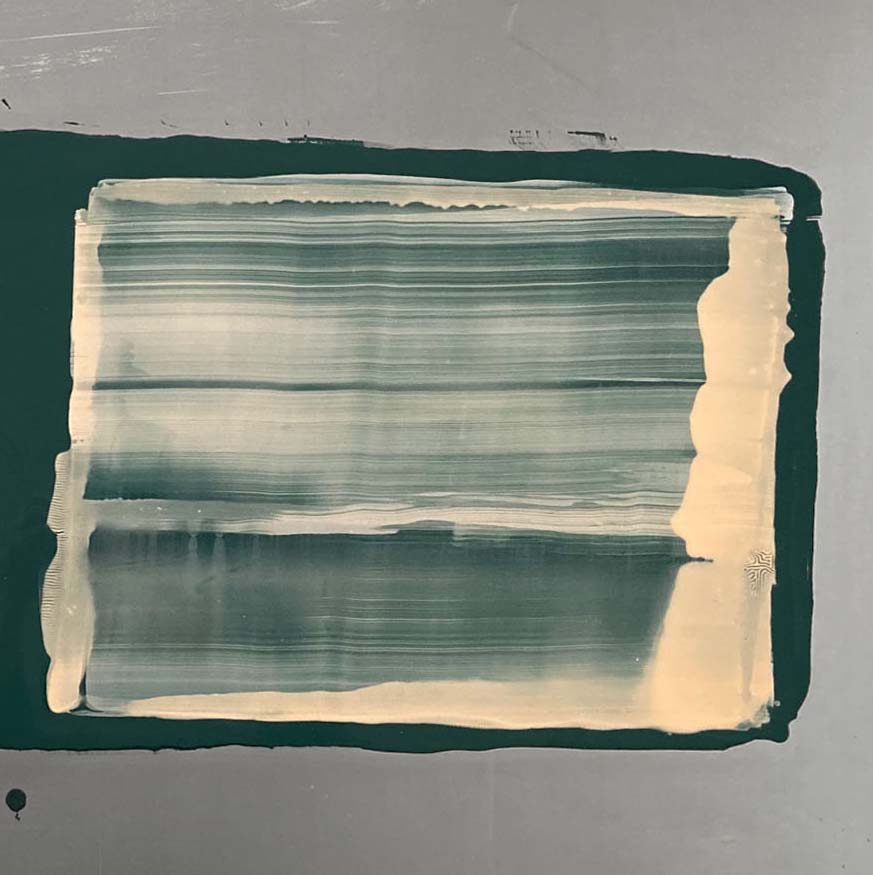
The series of works are about paint as a material. How thick can I pour it? How do two wet layers behave against each other? How does paint wrinkle?
marketplace
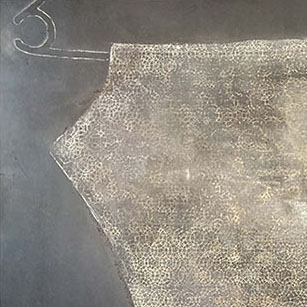
The “Marketplace” series originated with a small Marketplace ad from a single mail note: bidding starting at one euro. The endearment (and perhaps the harrowing story behind it) struck me. Later I noticed the beauty of - unintentionally - blurred photos and strange compositions of many ads.
‘pieces’
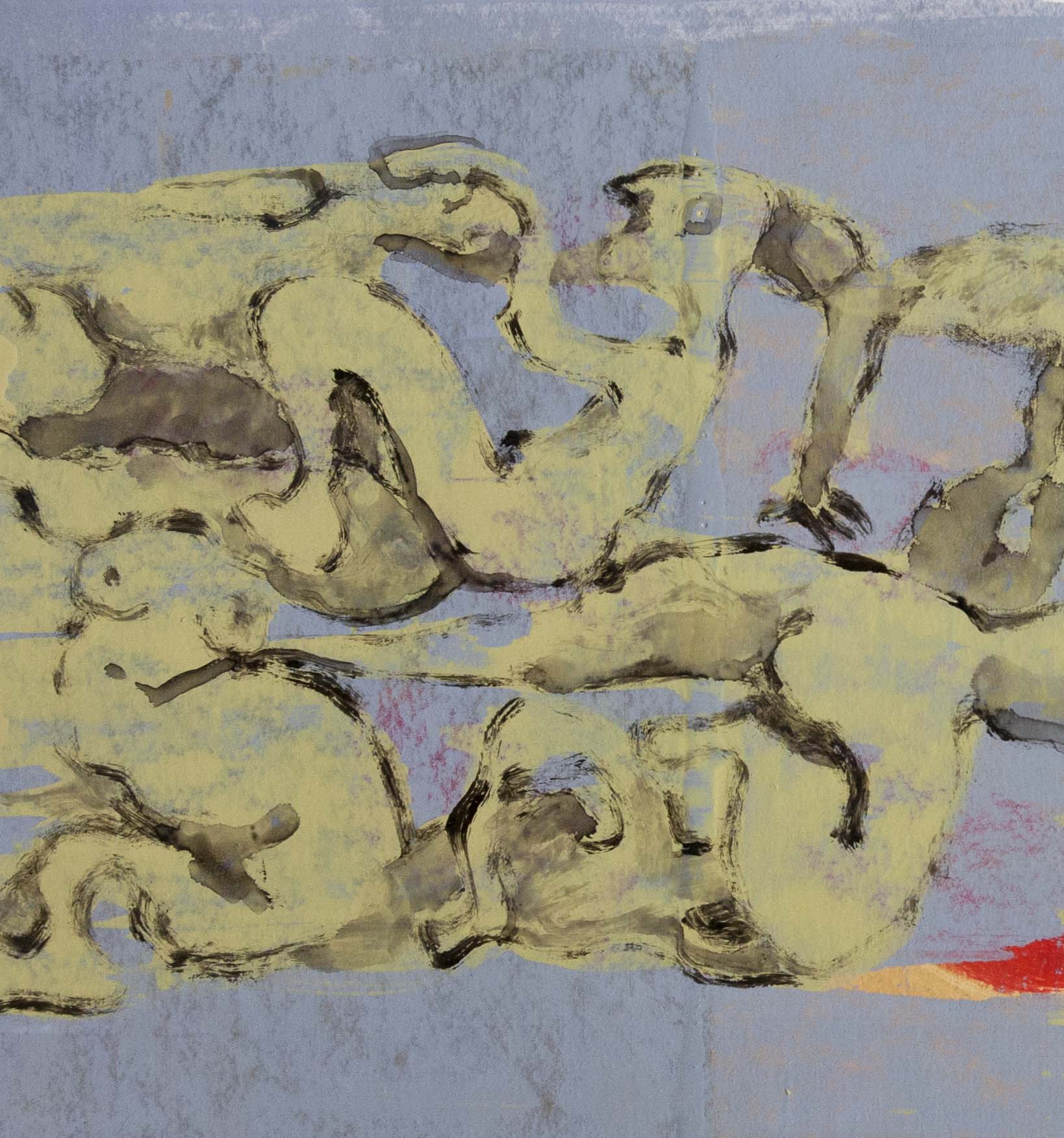
A new series, created by painting over old and rejected works; directly and spontaneously. Little by little, figures are also creeping in.
sculptures
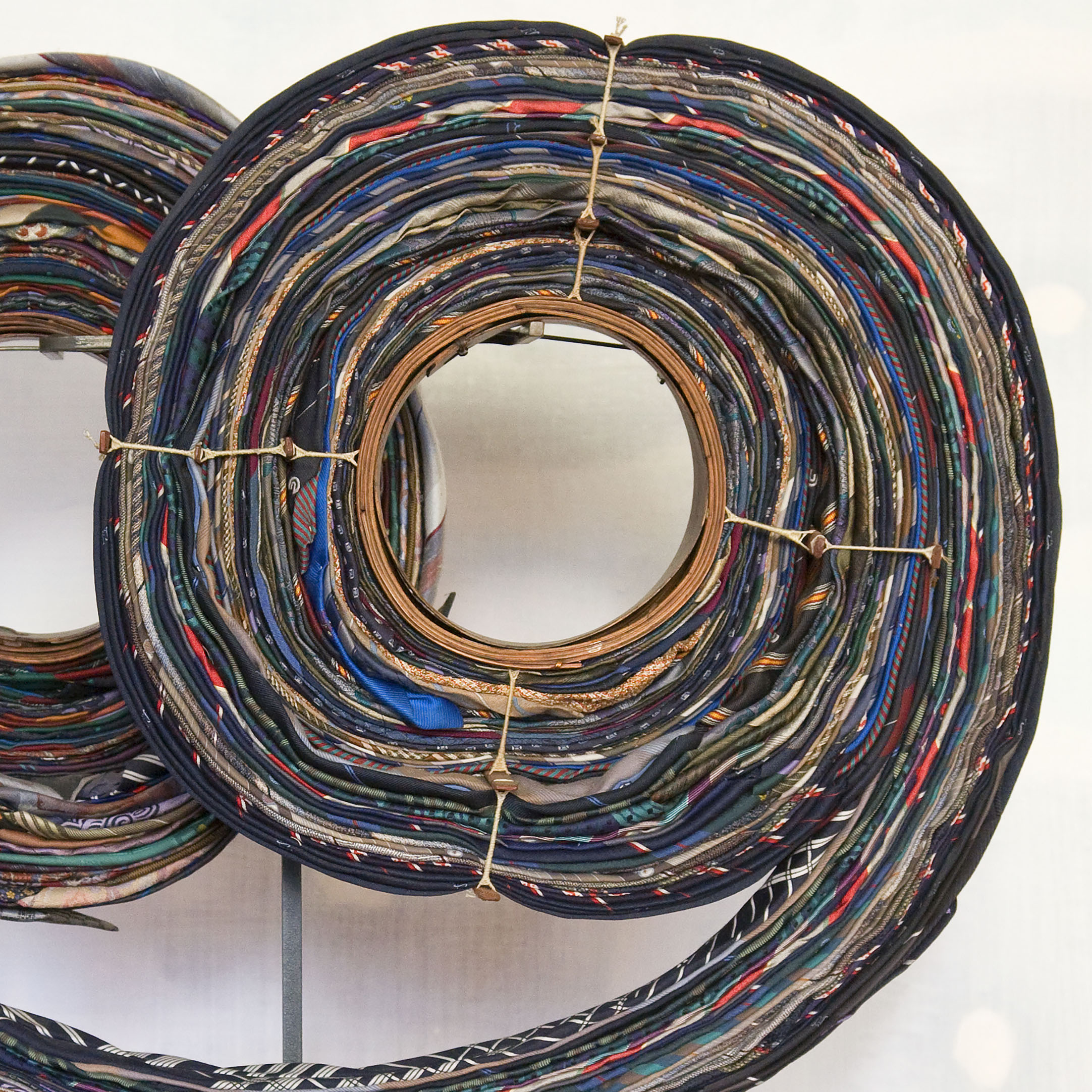
Among other things, I’m working on a series of mechanical sculptures. You turn a crank, and something happens. The moment when something is still visible and when it isn’t becomes fluid. With another sculpture, you wonder: are you really in control of the movement, or does the sculpture dictate the movement?
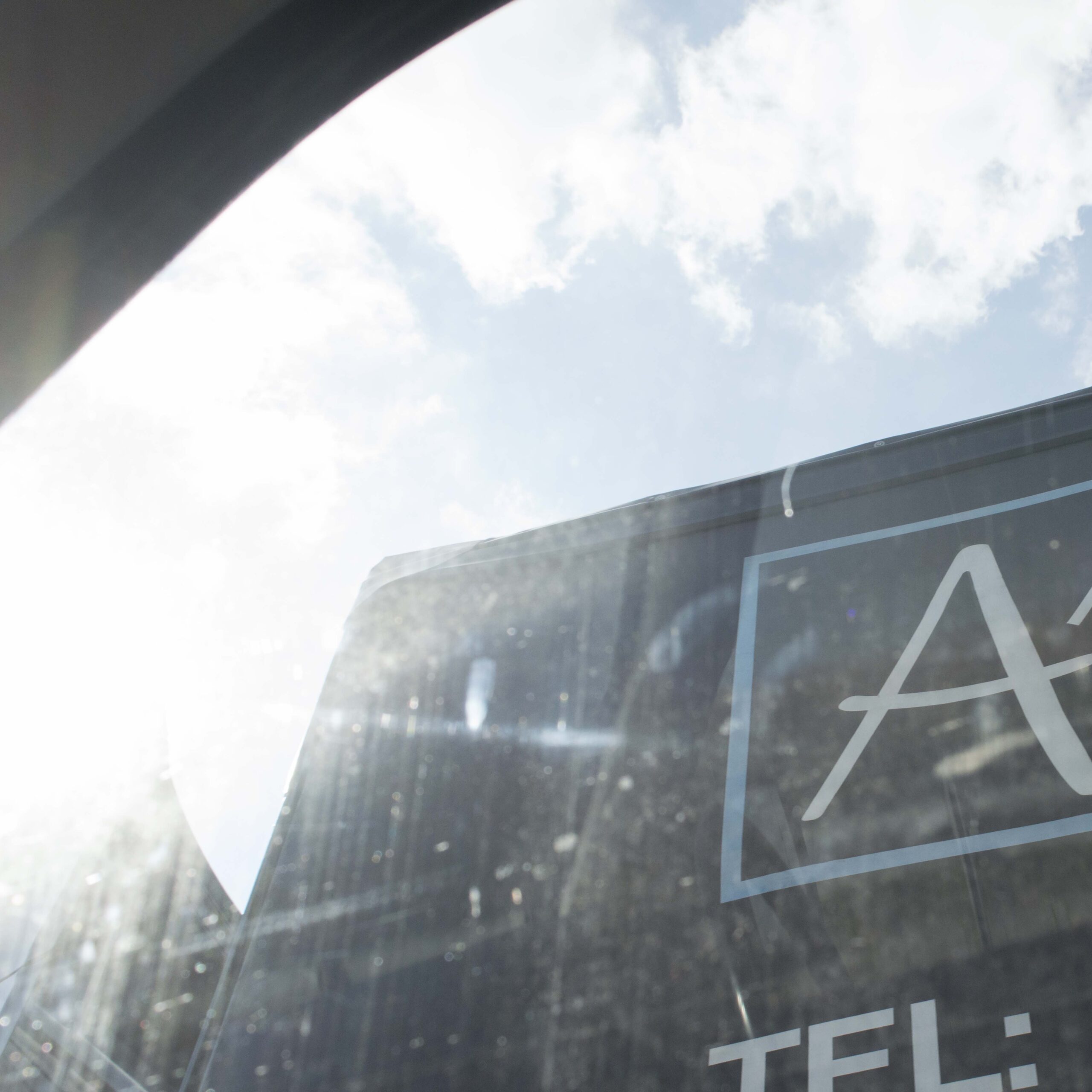
photo series
Collections of horizons, trailers, Marketplace ads, and the beauty of clutter.
other